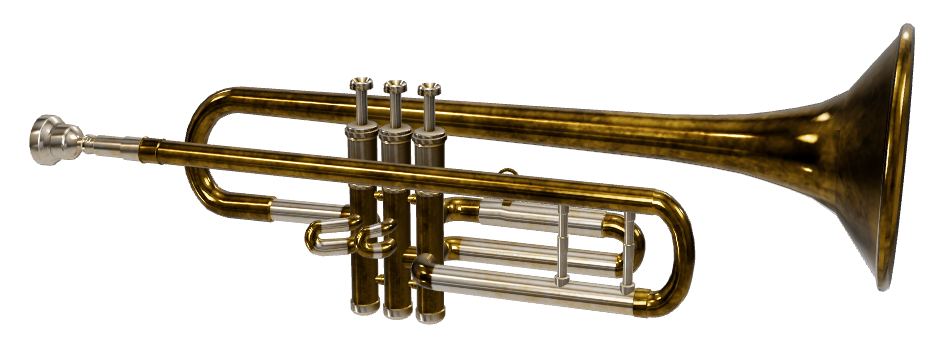
B♭ / TRUMPET
Bright & bold.
Three valves. A brilliant, ringing voice. Explore its brass curves, play a familiar tune, or write something entirely your own.
Play the trumpet 3D studio · 6 built-in songs · ComposerMANY FAMILIES. ENDLESS POSSIBILITIES.
Explore the families behind the sound. Play the alto saxophone and trumpet in 3D, then make a melody of your own.
Three valves. A brilliant, ringing voice. Explore its brass curves, play a familiar tune, or write something entirely your own.
Play the trumpet 3D studio · 6 built-in songs · ComposerA brass body and a single reed. From the clear soprano to the deep baritone, each saxophone has a voice of its own.
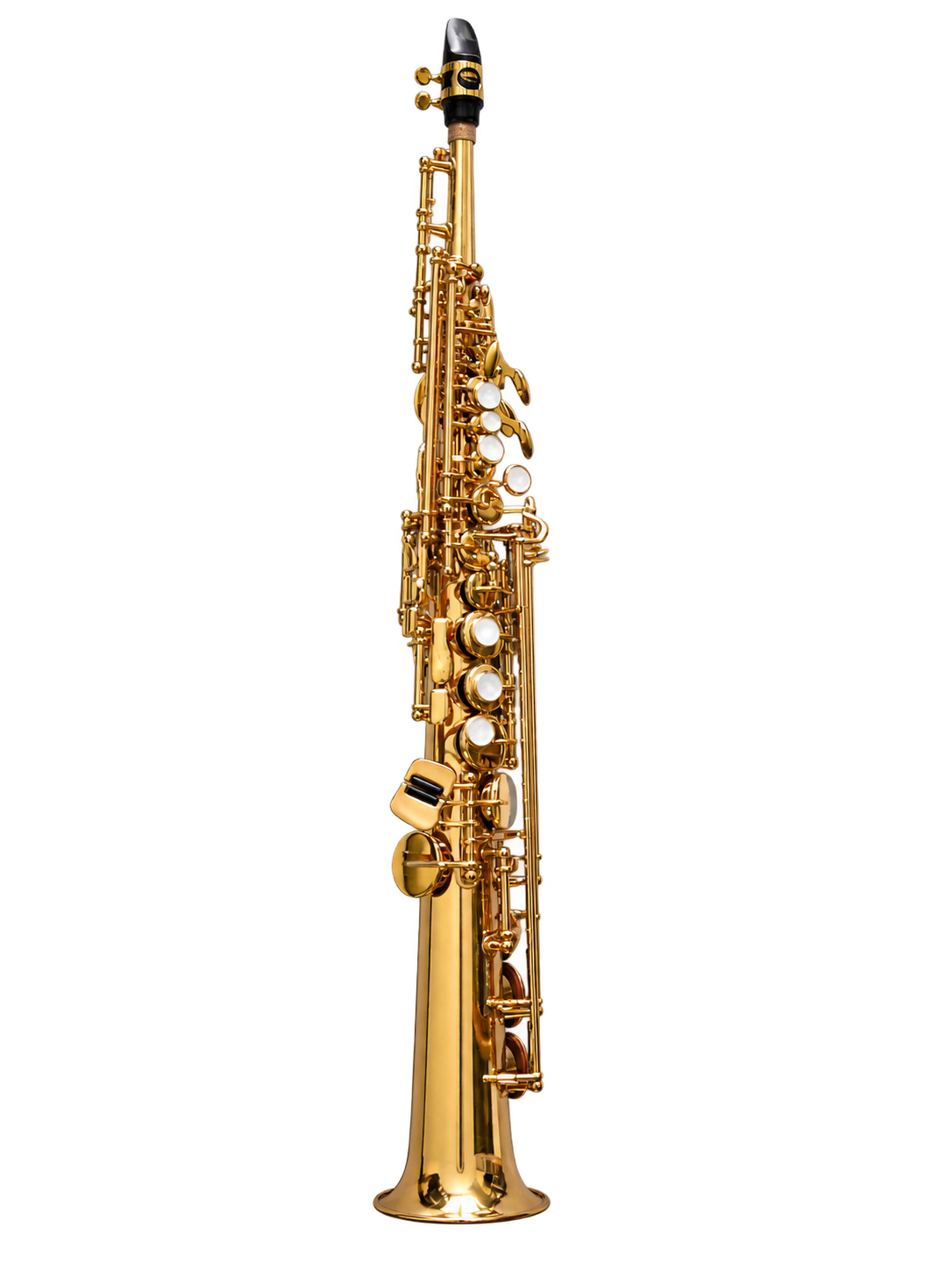
A clear, singing voice above the rest of the quartet. Commonly straight, although curved models also exist.
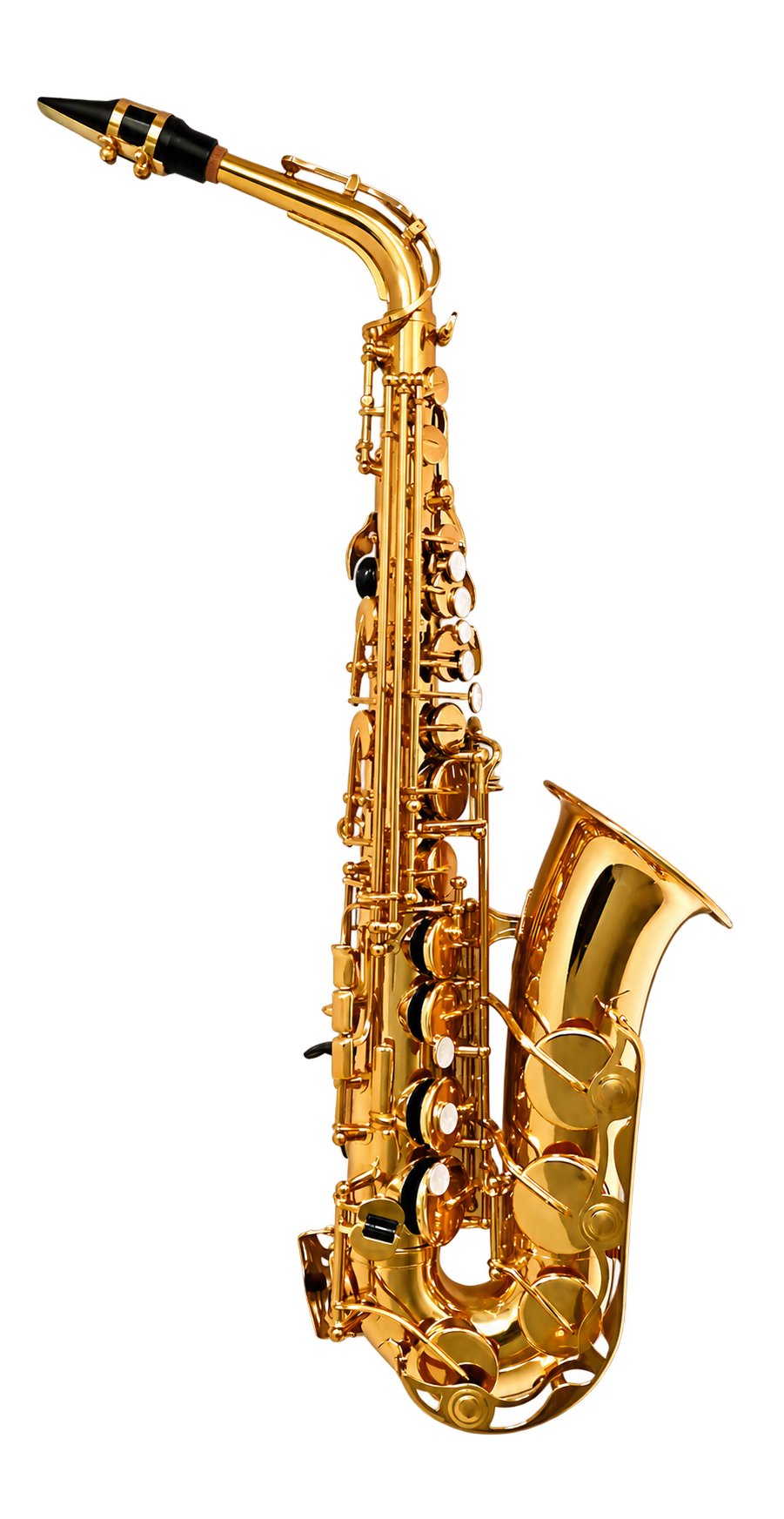
A familiar voice in jazz, classical music, and school ensembles. Smaller and higher pitched than the tenor.
Play the alto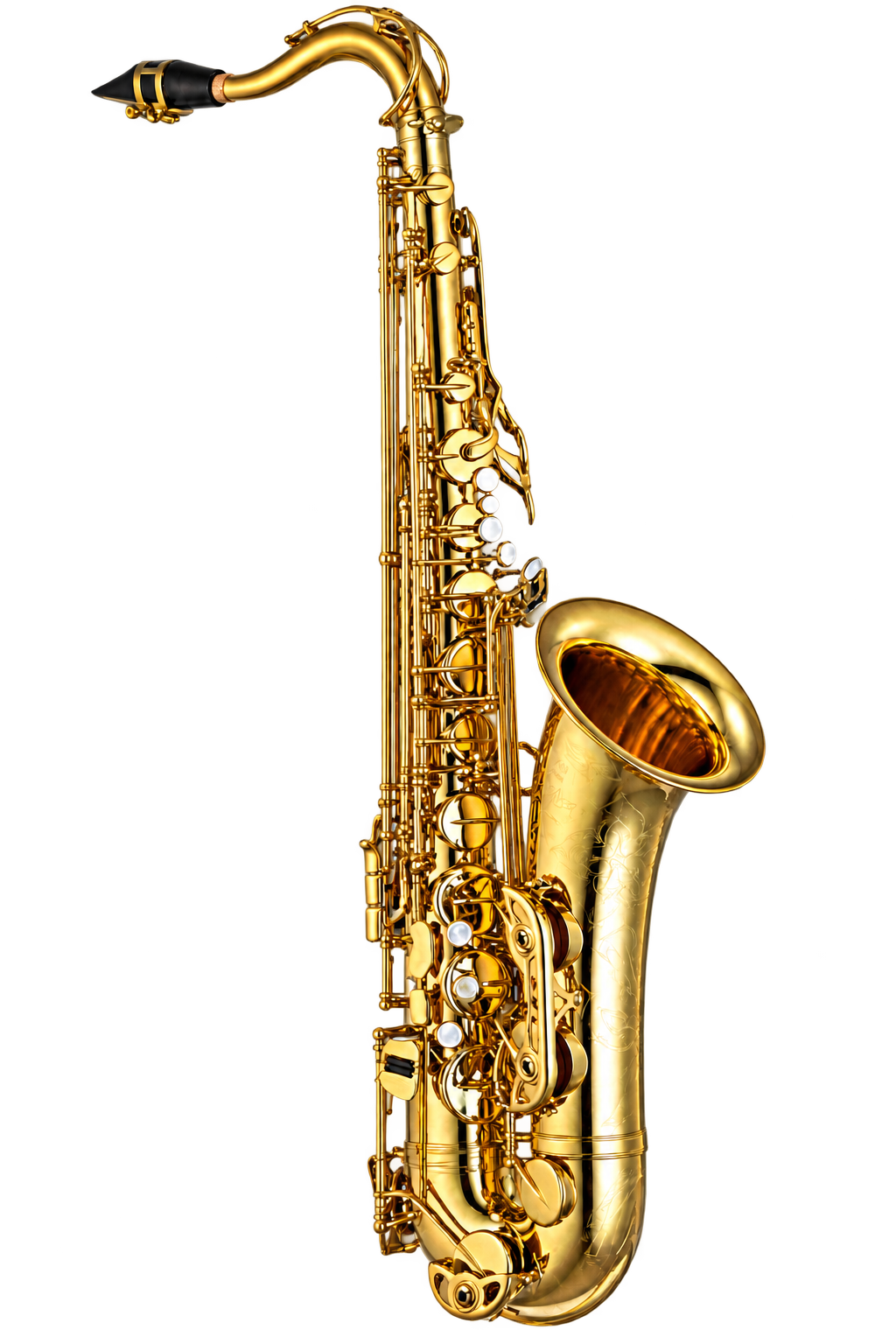
A broad, resonant voice with a curved neck. Its written notes sound an octave lower than the soprano’s.
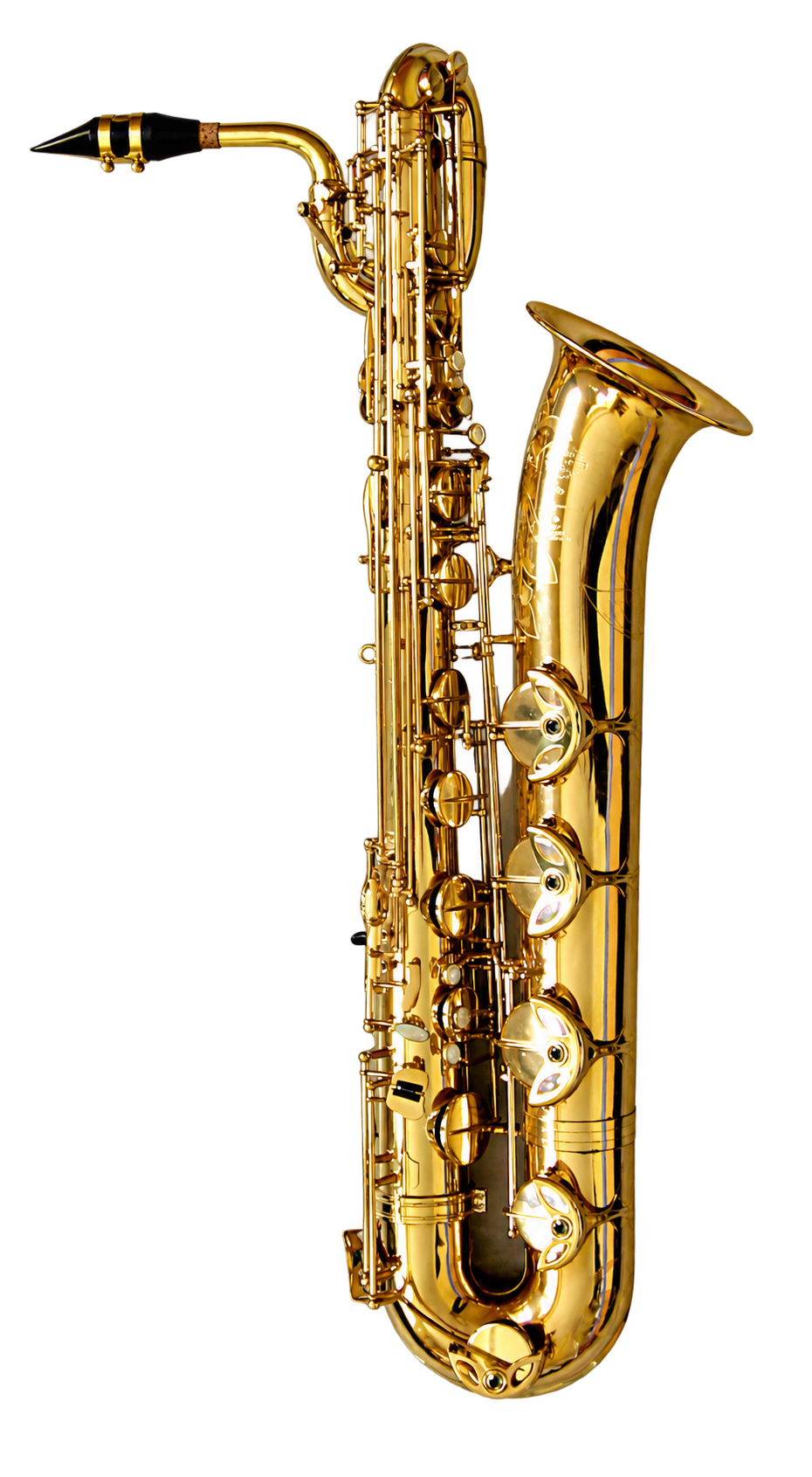
The low voice of the quartet, with a distinctive loop in its upper tubing. An octave below the alto.
BEYOND THE QUARTET
The family reaches even further. These unusual voices occupy the highest and lowest registers.
The alto is ready to play in the studio. The whole saxophone family stays here to explore, from the tiny sopranissimo to the towering subcontrabass.
YOUR OWN LITTLE STUDIO
Drag the instrument to look around it. Scroll or pinch to zoom, and use the circular arrow at the top to reset your view. Click a key to play a short note. Choose Notes to reveal the playable keys, Listen to hear built-in melodies, or Rotate to watch the instrument turn. The key markers glow as they sound. Choose Create to write sheet music, adjust tempo, loop your melody, and download it as MIDI. Your current draft saves on this device.
Open the small piano button at the top for a chromatic keyboard, octave controls, and volume. Hold its keys with your mouse or touch, or use A W S E D F T G Y H U J K while the piano is open. Escape stops all notes and closes the piano.
The keyboard and model show written pitch; the small note indicator also names the concert pitch you hear. Each highlighted model key plays one note directly. This simplified mapping is for exploration, not a complete fingering tutor.
The 3D model is the Smithsonian’s scan of Charlie Parker’s King Super 20 alto saxophone, made around 1947. Its brass body, sterling silver bell, engraved details, and mother-of-pearl keys are captured from the real instrument. The studio sound comes from FluidR3 GM alto samples, not a recording of Parker’s saxophone. Samples have a finite length.
Keyboard navigation: focus the 3D viewer and use the arrow keys to orbit, + / − to zoom, and Home to reset. The piano provides an accessible alternative to clicking the model.
A SECOND VOICE
The B-flat trumpet sounds a whole step below its written notes. Tap a valve to play a representative note, or use the piano for the full chromatic scale. Listen includes When the Saints Go Marching In, Ode to Joy, Happy Birthday, Amazing Grace, Taps, and Row, Row, Row Your Boat. Every tune is ready to play without a MIDI upload.
The trumpet has its own saved composer draft and trumpet sound. Trumpet model and sound credits.